Table of Contents (16 sections)
Home improvement projects can seem daunting, but they also offer the chance to personalize your living space, learn new skills, and even save money. This comprehensive guide will provide you with the knowledge and tools to tackle any home DIY project with confidence. Whether you're a beginner or a seasoned pro, we've got tips and tricks to elevate your DIY game. Let's dive into this ultimate guide to home DIY.
1. What is DIY and Why is it Important?
DIY, or do-it-yourself, refers to the practice of creating, building, or repairing things by oneself without the direct assistance of professionals. The DIY movement emphasizes self-sufficiency and creativity, enabling individuals to express their unique style in their homes. According to data from UFC-Que Choisir, home improvement DIY projects have grown by 25% in the last three years, reflecting a desire for personal spaces that reflect individual tastes.
Engaging in DIY projects not only enhances your home but also fosters a sense of achievement. Additionally, it can be a cost-effective way to complete home renovations and repairs. In 2026, with increasing materials costs, many homeowners are opting to tackle projects themselves, making DIY skills more valuable than ever.
Benefits of DIY:
- Cost Savings: Managing projects personally can drastically reduce labor costs.
- Customization: Personalize your projects to suit your style and needs.
- Skill Development: Learn essential skills that can be applied in different areas of home improvement.
- Satisfaction: Completing a project on your own can give a strong sense of accomplishment.
2. Steps to Plan Your DIY Project
Before starting any DIY project, adequate planning is crucial for a successful outcome. Follow these steps:
Step 1: Define Your Project
Begin by determining what you want to achieve. Identify the area of your home that requires improvement. For example, you may decide to paint a room or build a new piece of furniture.
Step 2: Set a Budget
Establish a budget that includes materials, tools, and any unexpected costs. It’s essential to give yourself a buffer for unforeseen expenses, as they often arise during DIY activities.
Step 3: Gather Your Materials
List all the materials you'll need for your project. Consider purchasing quality items that ensure longevity. For instance, wood for furniture construction should be durable, while paint should offer good coverage.
Step 4: Research Techniques
Research the techniques that will be necessary to complete your project. Websites like Les Numériques provide video tutorials and articles demonstrating various DIY methods effectively. Engaging with these resources can enhance your skills before you begin.
Step 5: Create a Timeline
Develop a timeline that outlines when different phases of your project will be completed. Make sure to reserve adequate time for each step, allowing for ample drying or curing times if applicable.


Women's Golden Sunburst Mother Of Pearl Pendant Necklace Maison De Gala
wolfandbadger.com
3. Essential Tools for Every Home DIYer
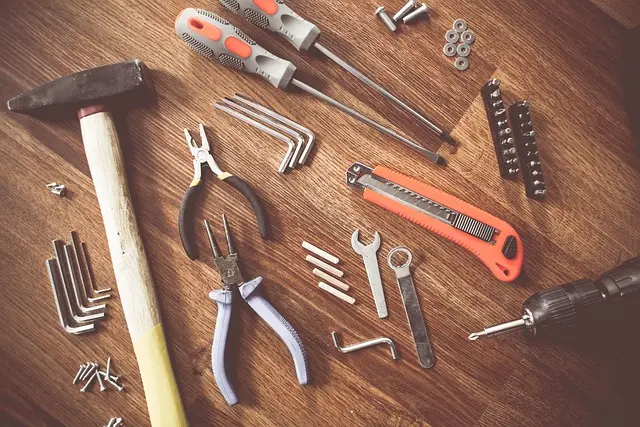
Having the right tools can make a significant difference in the ease and effectiveness of your DIY projects. While the specific tools will vary based on the project, here’s a general list of essential DIY tools:
| Tool | Purpose | Example Use | Recommended Model |
|---|---|---|---|
| Hammer | Driving nails | Building furniture | Claw Hammer |
| Screwdriver Set | Assembling/ disassembling | Furniture assembly | Electric Screwdriver |
| Tape Measure | Measuring space and materials | Cutting wood accurately | Steel Tape Measure |
| Level | Ensuring straight alignment | Hanging pictures | Laser Level |
4. Common DIY Mistakes to Avoid
Even the most experienced DIY enthusiasts encounter pitfalls. Here are common mistakes and how to avoid them:
- Skipping Preparation: Jumping into a project without proper preparation can lead to errors. Always take the time to prepare your workspace and gather necessary materials before starting.
- Ignoring Measurements: Failing to measure multiple times can result in ill-fitting components. Always double-check your measurements to ensure accuracy.
- Overloading Projects: Trying to undertake too much at once can lead to burnout and incomplete tasks. Break down projects into manageable pieces to maintain motivation.
- Poor Quality of Materials: Using subpar materials can affect the longevity of your project. Invest in good quality supplies to ensure durability.
By avoiding these common mistakes, you can save time and create impressive results.
5. DIY Project Ideas to Get Started
Once you’ve got the basics down, consider these inspiring DIY project ideas:
- Garden Fencing: Construct a wooden fence to enhance your garden aesthetics.
- Accent Wall: Use paint or wallpaper to create a unique feature wall in your living room.
- Custom Shelving Units: Build customized shelves to reflect your organization style.
- Outdoor Furniture: Design and build your outdoor seating and eating areas.
These projects not only enhance your living spaces but also allow you to flex your creativity.
Checklist before You Start
- [ ] Define your project goals.
- [ ] Set a budget and timeline.
- [ ] Gather all necessary materials and tools.
- [ ] Watch tutorials or read applicable guides.
- [ ] Prepare your workspace efficiently.
Q: How do I learn DIY skills?
A: You can learn through online tutorials, books, workshops, or by practicing on smaller projects. Experimenting with different DIY tasks will build knowledge and confidence.
Q: What safety measures should I take?
A: Always wear protective gear such as gloves, goggles, and masks when necessary. Read the safety instructions on tools and materials, ensuring a safe working environment.
Q: Is DIY always cheaper than hiring a professional?
A: Not always. While many projects can save money, comprehensive projects or those requiring specialized skills may necessitate professional help.
Q: Where do I find quality materials?
A: Try local hardware stores, lumber yards, or specialized craft stores for supplies. Online stores also offer a broad range of choices and often provide customer reviews to guide your selection.
💡 Expert Tip: Always invest in quality tools; they can save you time and effort in the long run.
Glossary
| Term | Definition |
|---|---|
| DIY | The practice of creating, building, or repairing by oneself. |
| Materials | Items used to build or create something, such as wood or paint. |
| Tools | Implements used to carry out a particular function, like hammers and screwdrivers. |
📺 For further exploration: Check out our video on essential DIY skills to get started! Search on YouTube: "essential DIY skills 2026".
Recommended Products
- [
- ---
📺 Pour aller plus loin : essential DIY skills 2026 sur YouTube
Recommended products
Selected by our experts
Maison Louis Marie No.02 Le Long Fond Perfume Oil
bluemercury.com
This perfume oil brings a relaxing scent that can enhance your mood while working on DIY projects, providing a pleasant environment.
Women's Golden Sunburst Mother Of Pearl Pendant Necklace Maison De Gala
wolfandbadger.com
This beautifully crafted necklace can be a perfect accessory to wear when showcasing your completed DIY projects at gatherings.