Table of Contents (12 sections)
Embarking on a DIY project can be both exciting and daunting. The thrill of transforming a space with your own hands is unparalleled, but the planning can often feel overwhelming. This guide aims to simplify the process with practical steps and tips that ensure your projects are successful. Whether you’re looking to freshen up your living room or completely remodel your kitchen, a structured approach can make all the difference.
1. Define Your Project Goals
Before picking up a single tool or paintbrush, it's essential to define what you want to accomplish with your DIY home project. Are you looking to enhance functionality, improve aesthetics, or increase your property value? Understanding the why behind your project will guide your planning process and help you stay motivated.
Start by making a list of your objectives. For instance, if you are remodeling your kitchen, your goals might include increasing storage space, updating appliances, or creating a more inviting space for entertaining. Once you clearly outline your objectives, research potential designs and styles that align with your vision. This foundational step will provide clarity and direction for your entire project.
2. Assess Your Budget and Resources
A well-defined budget is critical to the success of your DIY project. Begin by estimating costs for materials, tools, and any potential labor if you plan to hire help. It's advisable to add an extra 10-20% to your budget for unexpected expenses—this buffer will accommodate any surprises that may arise during the project.
In addition to financial resources, consider your available tools and materials. If you’re lacking necessary equipment, such as drills or saws, factor these costs into your budget. Renting tools is a viable option that can save money, especially for one-off projects. By assessing both your budget and resources, you’ll be better prepared to execute your DIY plans.
3. Create a Detailed Project Plan
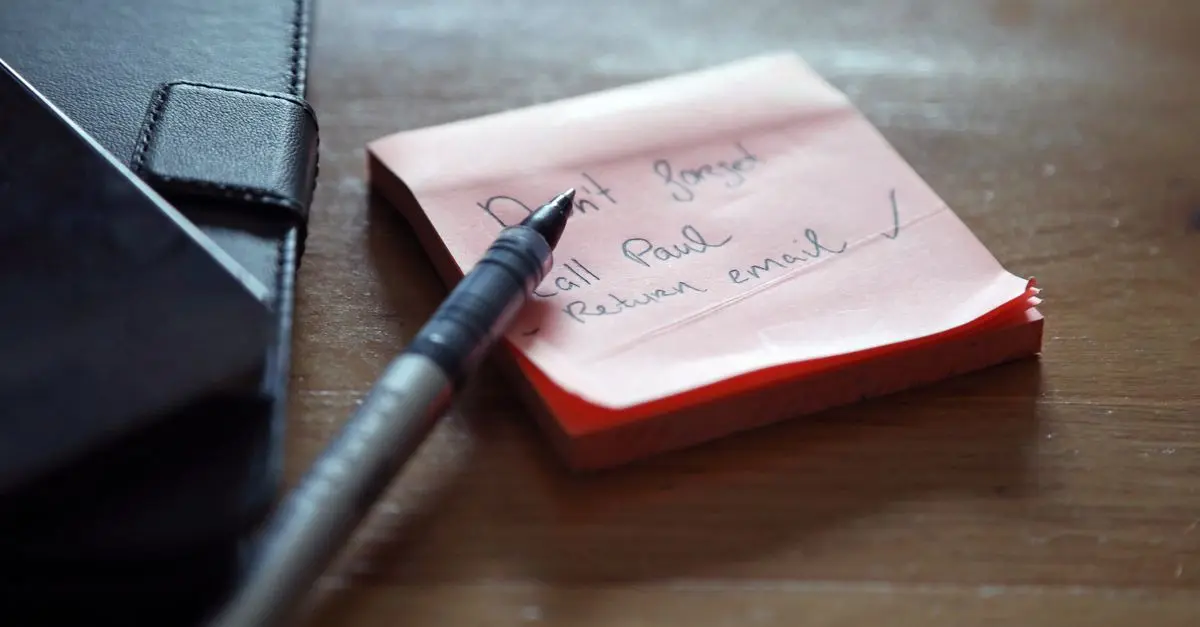
A project plan is your roadmap, guiding you step-by-step through each phase of your DIY endeavor. Break down the project into smaller, manageable tasks and create a timeline.
For example, if you are painting a room, your plan might include the following steps:
- Remove furniture and cover floors
- Patch any holes or imperfections on the walls
- Apply primer if needed
- Choose your paint color and finish
- Paint the walls and allow for drying time
- Replace furniture and decor
Be mindful of sequencing tasks, as some projects may require drying or curing time before moving to the next step. By having a clear project plan, you can minimize stress during execution and stay organized.
4. Gather Your Tools and Materials
With your project plan in hand, it’s time to gather all necessary tools and materials. Make an inventory list to ensure nothing is forgotten. Depending on the nature of your project, you might need items such as paint, brushes, wood, screws, or specialized tools.
To save time and avoid last-minute runs to the store, try to purchase all your materials in advance. Consider visiting local hardware stores or home improvement centers, which often have knowledgeable staff who can provide recommendations based on your specific needs. Finding quality materials is just as important as skill, as they will significantly influence the final outcome of your project.
5. Start with Small Projects
If you're new to DIY, it's wise to begin with smaller projects before tackling larger renovations. This approach allows you to gain experience and confidence without overwhelming yourself.
Consider projects like repainting a room, creating a garden bed, or assembling furniture. These tasks require fewer resources and can be completed in a shorter time frame. Each completed task will build your skills and prepare you for more complex undertakings in the future.
6. Monitor Progress and Adjust as Needed
Lastly, as you execute your project, consistently monitor your progress against your initial plan. Tasks may take longer than expected or might require adjustments based on real-time challenges.
If something isn't working out as planned, don’t hesitate to reconsider your approach. Remember, flexibility is often key to a successful DIY project. Engaging with online communities or forums can also provide valuable insights and support.
📺 For further learning: DIY Home Projects Planning, a detailed tutorial available on YouTube. Search for "DIY home planning guide 2026" for step-by-step videos.
Checklist before starting your DIY project
- [ ] Define your project goals
- [ ] Assess your budget and resources
- [ ] Create a detailed project plan
- [ ] Gather all necessary tools and materials
- [ ] Start with a smaller project
- [ ] Monitor progress and be flexible


Women's Golden Sunburst Mother Of Pearl Pendant Necklace Maison De Gala
wolfandbadger.com
Glossary
| Term | Definition |
|---|---|
| DIY | Do It Yourself; referring to projects completed by oneself without professional help. |
| Budget | An estimate of costs and expenses associated with the project. |
| Tools | Instruments used in construction or home improvement tasks. |
Quiz
> 🧠 Quick Quiz: What is the first step in planning a DIY project?
> - A) Collect materials
> - B) Define project goals
> - C) Start working
> Answer: B — Defining project goals sets the foundation for a successful DIY journey.
We hope this guide empowers you to take on your next DIY project with confidence. Remember, planning is the key to a successful and enjoyable home improvement experience.
For tools and materials to kick-start your journey, check out our curated recommendations below!
📺 Pour aller plus loin : DIY home planning guide 2026 sur YouTube
Recommended products
Selected by our experts
Maison Louis Marie No.02 Le Long Fond Perfume Oil
bluemercury.com
This product offers a unique scent that can enhance the atmosphere during your DIY sessions, making the work environment more pleasant.
Women's Golden Sunburst Mother Of Pearl Pendant Necklace Maison De Gala
wolfandbadger.com
A beautiful piece that adds a touch of elegance to your workspace, inspiring creativity while you work on your projects.