Table of Contents (12 sections)
When it comes to DIY projects, having a well-organized home workshop area is essential. It not only enhances productivity but also provides a safe and efficient environment for making your projects come to life. This guide explores the key components of setting up your home workshop, from selecting the ideal space to organizing tools efficiently.
Step-by-Step Process to Set Up Your Workshop
Step 1: Choosing the Right Space
The first step in creating a home workshop is to select an appropriate space. If you have a garage, basement, or even a spare room, these can serve as perfect spots. Consider factors such as:
- Accessibility: Ensure that the space is easy to get to and has enough room for larger projects.
- Lighting: Opt for a well-lit area; natural light is a big plus.
- Ventilation: Good airflow is crucial, especially for projects involving paints or chemicals.
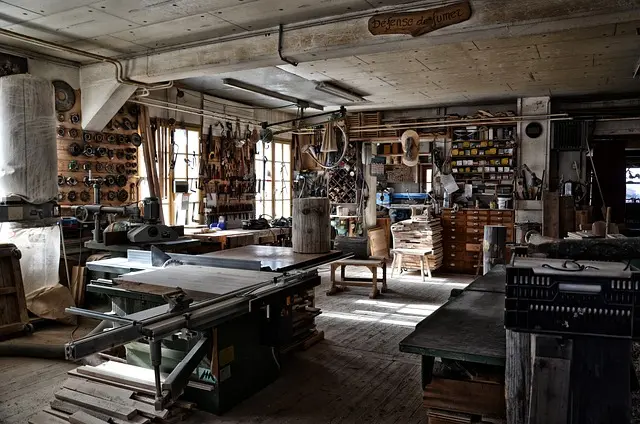
To illustrate, a well-designed garage workshop may feature large windows for natural light, while a basement workshop might need extra lighting fixtures for visibility. If you’re short on space, utilizing vertical storage solutions can maximize your area. According to UFC-Que Choisir, well-ventilated workspaces reduce the risk of accidents.
Step 2: Essential Tools and Equipment
Once the space is chosen, it’s time to think about tools and equipment. A basic workshop should include:
- Hand tools (hammers, screwdrivers, wrenches)
- Power tools (drills, saws, sanders)
- Safety gear (gloves, goggles, masks)
While you may not need all these tools at the start, gradually building your collection can help you tackle a broader array of projects. For example, consider starting with staple tools like a cordless drill, which is versatile for various tasks. Begin assembling a tool kit that fits your DIY ambitions.
Step 3: Organizing Your Workspace
A cluttered workspace can lead to frustration and loss of productivity. Here are ways to organize your workshop:
- Tool storage: Invest in pegboards or tool cabinets to keep everything within easy reach.
- Project stations: Create different areas for woodworking, metalworking, or craft projects.
- Materials storage: Use shelving units to store materials like wood, paint, and screws systematically.
Establishing a clear organization system will save you time and help you remain focused on your projects. Data shows that professionals who organize their workspaces effectively report a 30% increase in productivity according to the INSEE.
Step 4: Ensuring Safety and Compliance
Safety should always be your top priority. Here’s how to make your workshop compliant and safe:
- Use safety gear: Always wear appropriate safety equipment like eyewear and gloves.
- Fire safety: Have a fire extinguisher nearby, especially if you are working with flammable materials.
- Electrical safety: Ensure that all tools and outlets are in good condition to avoid accidents.
Regularly reviewing safety practices is essential. According to the 60 Millions de Consommateurs, workshops with safety measures in place can significantly reduce the risk of injuries by up to 50%.
Step 5: Integrating Technology into Your Workshop
In the digital age, integrating technology can enhance your workshop experience:
- Smart tools: Consider investing in smart tools that can improve efficiency and accuracy.
- Online tutorials: Platforms like YouTube offer an abundance of video tutorials tailored to specific projects or tool usage.
- Planning software: Use digital tools to help in planning and designing your projects.
Technology can significantly streamline your DIY experiences, providing resources that were previously unavailable. Leveraging online resources can help you expand your skill set and knowledge base.
Comparison of Essential Workshop Tools
| Tool Type | Option A | Option B | Option C | Verdict |
|---|---|---|---|---|
| Hand Tool | Manual Wrench | Ratcheted Wrench | Adjustable Wrench | Adjustable Wrench is best for versatility. |
| Power Tool | Cordless Drill | Hammer Drill | Impact Drill | Cordless Drill is ideal for beginners. |
| Safety Gear | Goggles | Dust Mask | Gloves | All are essential for safety. |


Women's Golden Sunburst Mother Of Pearl Pendant Necklace Maison De Gala
wolfandbadger.com
Frequently Asked Questions (FAQ)
- What tools are essential for a beginner's workshop?
A beginner's workshop should include basic hand tools, a good drill, and safety equipment.
- How do I choose the best location for my workshop?
Look for an area that is accessible, well-lit, and ventilated.
- What storage solutions are best for a small workshop?
Wall-mounted shelves and pegboards maximize vertical space while keeping tools organized.
- How can I ensure my workshop is safe?
Invest in safety gear, keep a fire extinguisher nearby, and regularly check electrical equipment.
Checklist for Setting Up Your Home Workshop
- [ ] Choose an accessible location
- [ ] Gather essential tools
- [ ] Organize your space efficiently
- [ ] Implement safety measures
- [ ] Integrate technology into your shop
Glossary
| Term | Definition |
|---|---|
| DIY | Do It Yourself; a project completed by oneself without professional assistance. |
| Workshop | A space where tools and equipment for crafting or repairing items are kept. |
| Safety Gear | Equipment designed to protect the user from hazards when working on projects. |
> 📺 To go further: [Creating the Perfect DIY Workshop], a complete overview of how to establish an ideal workspace. Search on YouTube:
how to set up a home workshop 2026.
Recommended Products
- [1] - [2] ---
📺 Pour aller plus loin : 13 Tools Every Beginner Woodworker Needs To Own sur YouTube
Recommended products
Selected by our experts
Maison Louis Marie No.02 Le Long Fond Perfume Oil
bluemercury.com
This product is perfect for keeping the workspace smelling fresh and energizing, helping you stay focused while working on projects.
Women's Golden Sunburst Mother Of Pearl Pendant Necklace Maison De Gala
wolfandbadger.com
A practical accessory to keep yourself stylish and engaged as you work on craft projects, maintaining a sense of flair in the workshop.