Table of Contents (15 sections)
DIY projects can be incredibly rewarding, allowing you to personalize your space and potentially save money. However, many enthusiasts often encounter hiccups along the way. This guide focuses on the top 10 common DIY mistakes people make and offers actionable advice on how to avoid them.
1. Skipping the Planning Phase
One of the most significant missteps in the DIY community is neglecting the planning stage. Before starting any project, it's essential to lay out a clear plan detailing every step involved. An article on UFC-Que Choisir emphasizes that proper planning can make or break a project, highlighting how successful outcomes stem from meticulous preparation. For example, failing to measure space accurately can lead to wasting materials and time. Take time to measure, create a mood board, and gather all necessary tools and materials.
2. Underestimating the Budget
Many DIYers begin projects without a clear understanding of the costs involved. According to a survey by Les Numériques, over 30% of DIYers ended up spending more than their initial budget. Hidden costs, such as permits or unexpected repairs, can quickly add up. Ensure you research potential costs and add an additional 10-20% for contingencies. Tracking your expenses from the beginning can help you stay on budget and manage your finances effectively.


Women's Golden Sunburst Mother Of Pearl Pendant Necklace Maison De Gala
wolfandbadger.com
3. Ignoring Safety Precautions
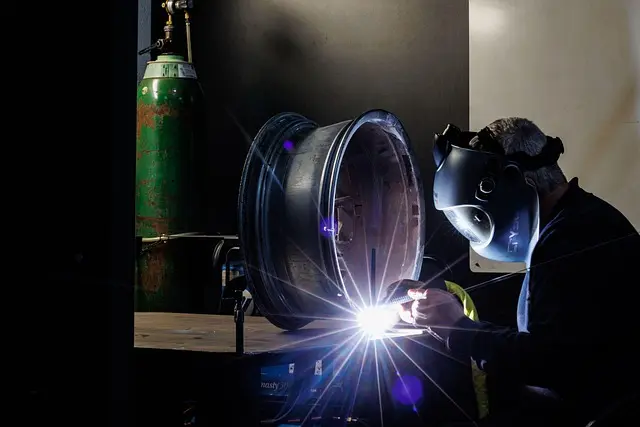
Safety should always be a priority during DIY projects. Failing to wear protective gear or neglecting to understand how to use tools properly can lead to injuries. As noted by 60 Millions de Consommateurs, personal protective equipment (PPE) is crucial in any home improvement project. Always wear safety glasses, gloves, and a mask when necessary. Moreover, familiarize yourself with tool manuals to prevent accidents. Taking time to ensure your workspace is safe will protect you and improve the project’s overall quality.
4. Choosing the Wrong Materials
Selecting inappropriate materials is a common DIY mistake. Whether it's using paint that doesn’t adhere well to a surface or opting for low-quality lumber, the materials you choose directly affect the project outcome. An example can be seen in DIY porch installations, where using untreated wood leads to decay. Always consult with experts at your local hardware store or conduct thorough online research to find the best materials suited for your specific project. This proactive approach aids in long-lasting results.
5. Neglecting Local Building Codes
Before you start a DIY project, it’s essential to check local building codes. Many DIYers overlook this step, which can result in fines or the need to redo work. For instance, renovations that impact electrical systems often require permits and inspections. Familiarizing yourself with regulations from local authorities will help you streamline your project and avoid potential legal issues. According to ADEME, understanding the guidelines can drastically improve the reliability of DIY project implementations.
6. Rushing the Process
Impatience is a common enemy of DIY success. Many rush through steps, thinking they can complete the project faster. However, this often leads to mistakes or subpar work. For instance, rushing through painting can lead to drips and uneven coats. Take your time at each step, allowing proper drying times and double-checking your work. Dedicating additional hours to perfecting details can significantly enhance your project’s finish.
7. Miscalculating Time Requirements
Underestimating the time a project will take can lead to unfinished work and frustration. According to a study from INSEE, time management is a crucial factor in DIY project success. Create a realistic timeline with milestones to gauge progress. Factor in breaks, tool setup, and unexpected challenges that arise. This foresight helps in keeping the project organized and stress-free.
8. Overlooking the Clean-Up
After finishing a project, many DIYers neglect the clean-up process. This step is vital for maintaining your work area and ensuring safety for subsequent projects. Toxic materials or sharp tools can pose hazards if left unattended. Set aside time for a thorough clean-up, ensuring everything is properly disposed of and tools are stored away correctly. This practice not only keeps your space organized but fosters a safe environment for future endeavors.
9. Failing to Seek Expert Help
Sometimes, it's necessary to consult professionals or more experienced DIYers for guidance. Relying solely on online tutorials may not suffice for more complex tasks. An overestimation of your abilities can lead to costly mistakes. Consider reaching out to local experts or joining DIY forums where you can ask specific questions and get tailored advice. This networking can enhance your knowledge and skill level dramatically.
10. Not Documenting Your Work
Keeping track of what you learn while working on DIY projects can provide valuable insights for future initiatives. Many DIYers overlook documentation, which leads to forgetting lessons learned or repeating mistakes. Take photos and write notes during your projects. This practice can be immensely beneficial for reflection and improvement on future tasks.
📺 For Further Learning
> Watch our video: DIY Project Tips and Tricks to Avoid Common Mistakes, for more practical advice. Search on YouTube: "DIY mistakes tips 2026".
Conclusion
Avoiding common DIY mistakes involves careful planning, safety, and a willingness to learn throughout the process. With these guidelines, you can execute your projects effectively and safely, transforming your living space into something truly special.
Checklist before starting your DIY project
- [ ] Create a clear project plan
- [ ] Set a realistic budget
- [ ] Ensure safety gear is ready
- [ ] Research suitable materials
- [ ] Check local building codes
- [ ] Allocate enough time for the project
- [ ] Plan for clean-up
- [ ] Seek help when needed
- [ ] Document your progress
Glossary
| Term | Definition |
|---|---|
| DIY | Do It Yourself, a method of creating or repairing items without professional help. |
| PPE | Personal Protective Equipment, gear designed to protect you from injuries during DIY tasks. |
| Building Codes | Rules governing the construction and renovation of buildings to ensure safety and ethics. |
---
📺 Pour aller plus loin : DIY mistakes tips 2026 sur YouTube
Recommended products
Selected by our experts
Maison Louis Marie No.02 Le Long Fond Perfume Oil
bluemercury.com
This product is perfect for anyone who loves the earthy smells associated with home improvement projects, enhancing the atmosphere of your workspace.
Women's Golden Sunburst Mother Of Pearl Pendant Necklace Maison De Gala
wolfandbadger.com
A beautiful piece that can inspire creativity in your workspace, making it an ideal item for those looking to uplift their DIY environment.