Table of Contents (9 sections)
What is Home Wiring?
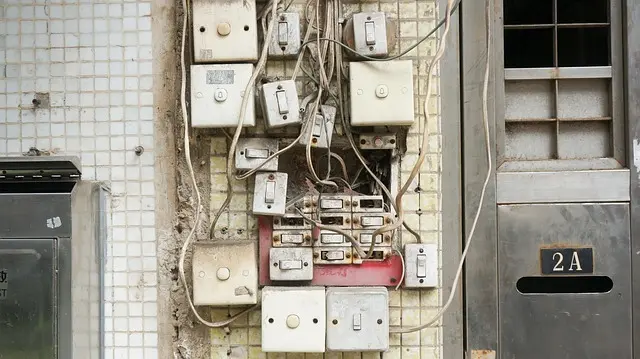
Home wiring refers to the electrical system that distributes electricity throughout a house. It includes the network of wires, switches, outlets, and fixtures that provide power to various electrical devices. Proper home wiring is critical for safety and efficiency. According to UFC-Que Choisir, over 30% of household fires are related to faulty wiring. Understanding the fundamentals of home wiring helps homeowners engage in DIY projects safely and effectively.
Why is home wiring important? Beyond just connecting power, well-planned wiring can improve energy efficiency and save costs in the long run. As the demand for electrical outlets increases, especially with the proliferation of smart devices, ensuring a resilient and adaptable wiring system becomes crucial. Homeowners should consider upgrading older systems to meet modern energy demands, ensuring compliance with local electrical codes, and enhancing safety and convenience.
Step-by-Step Guide to Home Wiring
- Gather Your Materials: Start by gathering all necessary tools and materials. You'll need copper or aluminum wiring, electrical boxes, wirenuts, and your choice of switches and outlets.
- Turn Off the Power: Before beginning any wiring project, ensure that the power is switched off at the circuit breaker. This step cannot be overstated; safety is paramount.
- Plan Your Circuit: Determine where you want to run your circuits. Draw a diagram to visualize where outlets, switches, and lights will be located. Keep in mind that standard circuits can handle up to 15 amps.
- Install Electrical Boxes: Install electrical boxes at the designated points for switches and outlets. Ensure they are securely fastened and at the proper height to accommodate your design plans.
- Run the Wiring: Begin running the wiring from your electrical panel to the first outlet, ensuring that you adhere to the local codes for placement and securing the wiring appropriately.
- Connect the Wires: Strip the ends of your wires and connect them to their respective terminals in the outlets and switches. Typically, black wires connect to brass screws, while white wires connect to silver screws.
- Test Your Work: Once all connections are made, turn the power back on to the circuit and test each outlet and switch to ensure functionality. Keep an eye out for any unusual signs such as flickering lights or buzzing sounds, which may indicate improper connections.
💡 Expert Tip: Use a multimeter to check for proper voltage levels at each outlet once the power is restored.


Women's Golden Sunburst Mother Of Pearl Pendant Necklace Maison De Gala
wolfandbadger.com
Wiring Essentials: Understanding Types of Wires
Different types of wires are used in home wiring. Non-metallic (NM) wire, commonly known as Romex, is the most widely used type for residential wiring. It consists of insulated conductors bundled together with a plastic sheathing, making it safe and straightforward for many DIY projects.
Armored cable (AC) is another option that provides additional protection and is often used in commercial settings. Understanding the difference between conductors such as copper and aluminum is essential. Copper is generally preferred for its superior conductivity, but aluminum is a lighter and cheaper alternative that can also be effective if installed correctly.
When selecting wire types, consider local building codes and the specific needs of the electrical devices you plan to power. For instance, more demanding devices may require thicker gauge wires, typically 12-gauge or 14-gauge.
Comparing Tools for Home Wiring: Which to Choose?
| Tool | Purpose | Pros | Cons |
|---|---|---|---|
| Wire Strippers | Strip insulation from wires | Easy to use, various sizes available | Can be expensive for high-quality models |
| Multimeter | Measure voltage, continuity | Essential for safety checks | Can be complex for beginners |
| Fish Tape | Guide wiring through walls | Saves time and effort | Difficult to use in tight spaces |
| Voltage Tester | Check for live wires | Inexpensive and simple | Limited functionality |
| Circuit Tester | Test outlet functionality | Quick diagnostics | Not always accurate |
> 💡 Expert Tip: Investing in a high-quality set of tools will save you time and ensure safety in your wiring projects.
Safety Tips for DIY Wiring
Safety should always come first in any DIY project. Here are essential tips to keep in mind:
- Always turn off power at the circuit breaker before starting.
- Use insulated tools to reduce the risk of shock.
- Wear rubber-soled shoes and keep the area dry.
- Never exceed the recommended load for your circuits.
- Familiarize yourself with local electrical codes before beginning work.
Missteps can lead to hazards such as electrical fires or shocks. Engaging professionals for complex work or inspections can also add an extra layer of safety.
Glossary
| Term | Definition |
|---|---|
| Non-metallic (NM) Wire | Commonly used wire type for residential electrical systems, often referred to as Romex. |
| Wire Stripper | Tool used to remove the insulation from electrical wires to ensure proper connectivity. |
| Circuit Breaker | Safety device that automatically interrupts the electrical circuit when overloaded or short-circuited. |
Checklist Before Starting Your Wiring Project
- [ ] Gather necessary materials and tools.
- [ ] Turn off power at the circuit breaker.
- [ ] Plan your wiring layout.
- [ ] Install electrical boxes.
- [ ] Run the wiring correctly.
- [ ] Connect wires securely.
- [ ] Test each outlet and switch.
📺 For further insights: Explore comprehensive video tutorials for home wiring basics by searching for "home wiring tutorial 2026" on YouTube.
Discover our expert-selected products that can assist you in your wiring projects below.
📺 Pour aller plus loin : home wiring tutorial 2026 sur YouTube
Recommended products
Selected by our experts
Maison Louis Marie No.02 Le Long Fond Perfume Oil
bluemercury.com
This product offers a refreshing atmosphere and complements a well-wired home by enhancing the overall interior experience.
Women's Golden Sunburst Mother Of Pearl Pendant Necklace Maison De Gala
wolfandbadger.com
A stylish accessory that embodies the commitment to quality, much like ensuring your home wiring is done to a high standard.