Table of Contents (10 sections)
Embarking on DIY home repairs can be both exciting and daunting, especially for beginners. This comprehensive guide aims to equip you with the essential knowledge and skills to tackle common home repair tasks confidently. We'll break down each step, offer practical tips, and highlight common mistakes to avoid, ensuring you're well-prepared for your DIY journey.
1. Understanding the Importance of DIY Home Repairs
DIY home repairs are crucial for maintaining the longevity and functionality of your living space. Engaging in these activities can save you money, foster a sense of accomplishment, and allow you to personalize your home. According to a recent study by UFC-Que Choisir, nearly 70% of homeowners have taken on at least one DIY project, with many citing cost savings as a primary motivation. Not only does performing repairs yourself save money on labor costs, but it also empowers you to address issues as they arise, preventing small problems from escalating into more significant, costly repairs. Embracing the DIY mindset enhances your homeownership experience and encourages a hands-on approach to your living environment.
2. Essential Tools for Every DIY Beginner
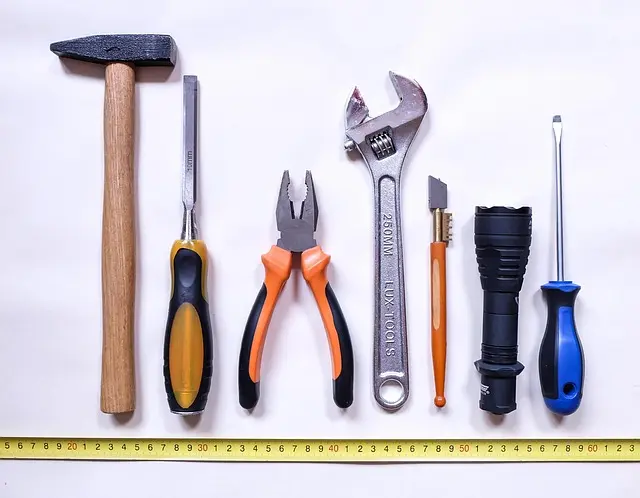
Before diving into any repair projects, it's vital to have a basic toolkit that includes essential tools. Here’s a list of the must-have tools every DIY enthusiast should possess:
- Hammer: A sturdy hammer is essential for driving nails into wood or pulling them out.
- Screwdrivers: A set that includes both flathead and Phillips screwdrivers will be needed for various tasks.
- Tape Measure: Accurate measurements are crucial, so invest in a quality tape measure to avoid mistakes.
- Level: Ensuring your shelves and frames are straight is essential for a professional finish.
- Utility Knife: Useful for various cutting tasks, from drywall to boxes.
- Pliers: A good pair of pliers can assist in gripping and twisting fasteners, wires, and more.
These tools set the stage for success and make various tasks easier and more efficient. It’s advisable to purchase tools from reputable brands to guarantee durability and performance over the long term.
3. Step-by-Step Process for Common Home Repairs
3.1 Fixing a Leaky Faucet
To tackle a leaky faucet, follow these steps:
- Turn Off the Water Supply: Locate the valve under the sink and turn it off to prevent flooding.
- Disassemble the Faucet: Use a screwdriver to remove the handle and then extract the inner workings.
- Inspect and Replace Washers: Check the washers or O-rings for wear and replace them if necessary.
- Reassemble the Faucet: Put everything back together, ensuring each component is snugly fit, and turn the water supply back on to test.
Common mistakes include not turning off the water supply, which can lead to unnecessary mess and water waste. To ensure success, double-check your work as you reassemble the faucet.
3.2 Patching Drywall Holes
Patching holes in drywall is another common repair task:
- Clean the Area: Remove loose drywall and debris around the hole.
- Apply Drywall Compound: Using a putty knife, apply a layer of drywall compound over the hole, feathering the edges for a smooth surface.
- Sand and Paint: Once dry, sand the area until smooth and paint to match your wall color.
Make sure to use a compound suitable for your wall type, and consider priming before painting for a more seamless finish. These steps will help create a professional-looking repair that blends with the rest of your wall.
4. Comparative Overview of Popular DIY Repair Options
| Repair Type | Estimated Cost | Skill Level | Time Required | Final Result |
|---|---|---|---|---|
| Faucet Repair | $10-$30 | Easy | 1 hour | Perfectly sealed |
| Drywall Patching | $15-$40 | Intermediate | 2-3 hours | Invisible repair |
| Floor Tiling | $50-$100/m² | Advanced | 1-2 days | Durable surface |
| Painting Walls | $30-$60 | Easy | 1 day | Fresh appearance |
5. Common Mistakes to Avoid in DIY Projects
- Underestimating Time: Many beginners fail to account for the time required to complete a project, often thinking it will take less than it realistically will.
- Skipping Preparation: Not preparing your workspace leads to inefficiencies. Always gather tools and materials ahead of time.
- Neglecting Safety Gear: Safety should be your top priority. Using goggles, gloves, and masks as needed protects you during repairs.
Avoiding these pitfalls will streamline your DIY efforts and lead to satisfying results. Always double-check instructions and ensure you are genuinely comfortable with the task before proceeding.
6. Resources and Further Learning
To enhance your skills, consider online resources or DIY workshops offered by community centers. Video tutorials can also provide visual guidance, clarifying complex steps.
📺 For more information: Check out video resources on home repair techniques that can provide step-by-step visuals. Search for '
DIY home repair tutorials 2026' on YouTube for a wide array of helpful videos.
Checklist before starting your DIY project
- [ ] Gather all necessary tools.
- [ ] Read and understand all instructions.
- [ ] Prepare your workspace.
- [ ] Ensure safety gear is available.
- [ ] Double-check measurements.
Glossary
| Term | Definition |
|---|---|
| DIY | Do-it-yourself; the practice of creating, repairing, or modifying things without professional help. |
| Drywall Compound | A material used to fill crevices and imperfections in drywall, often referred to as spackle. |
| Feathering Edges | A technique used in painting or applying compounds to create a smooth transition between two surfaces. |
- What tools do I need to start DIY repairs?
You need basic tools like a hammer, screwdrivers, a tape measure, a level, and a utility knife.
- How can I learn more DIY skills?
Consider taking workshops, watching tutorial videos on platforms like YouTube, or reading DIY books.
- Is it safe to do all repairs myself?
While many repairs can be done safely, some complex tasks might require professional help. Always evaluate your comfort level.
- What should I do if a repair goes wrong?
Don't hesitate to consult a professional if a project exceeds your skill level or if you're unsure about the next steps.
📺 Pour aller plus loin : DIY home repair tutorials 2026 sur YouTube
Recommended products
Selected by our experts

Maison Louis Marie No.02 Le Long Fond Perfume Oil
bluemercury.com
This product is ideal for those who love the scent of fresh earth, enhancing the ambiance while working on home improvements.

Women's Golden Sunburst Mother Of Pearl Pendant Necklace Maison De Gala
wolfandbadger.com
This stylish accessory serves as a motivational reminder of your home improvement journey, perfect for DIY enthusiasts.