Table of Contents (26 sections)
Whether you're a seasoned homeowner or just starting your journey, understanding basic home repairs can save you time and money. This guide will provide actionable steps for common DIY fixes, empowering you to tackle household projects confidently.
1. Fixing a Leaky Faucet
Understanding the Problem
A leaky faucet can be more than just an annoying drip; it can lead to water wastage and increased utility bills. According to the EPA, a small leak can waste over 3,000 gallons per year.
Tools and Materials Needed
- Adjustable wrench
- Replacement washers
- Screwdriver
- Plumber's grease
Step-by-Step Guide
- Turn Off the Water Supply: Start by locating the shut-off valve under the sink and turn it off. If there are no individual shut-offs, turn off the main water supply.
- Remove the Faucet Handle: Use a screwdriver to remove the handle. You may need to pry off a decorative cap to access the screw.
- Inspect the Parts: Once the handle is removed, check the O-ring and washer for wear and tear.
- Replace the Washers: Remove the old washers and install new ones. Apply plumber's grease to ensure a smooth fit.
- Reassemble the Faucet: Place the handle back in position and secure it with screws. Turn the water supply back on and check for leaks.
> 💡 Tip: If you’re unsure about the type of washer you need, take the old one to a hardware store for a match.
2. Patching Holes in Walls
Why Patching is Essential
Holes in your drywall can be unsightly and make rooms feel unfinished. Properly patched walls maintain the aesthetic value of your home, and it’s an easy DIY project that anyone can handle.
Tools and Materials Needed
- Spackling compound or joint compound
- Putty knife
- Sandpaper
- Primer and paint
Step-by-Step Guide
- Prepare the Area: Clean the hole and surrounding area, making sure there is no dust or debris.
- Apply the Compound: Using a putty knife, apply the spackling compound over the hole, smoothing it out until it's flush with the wall.
- Sand It Down: Once dry, sand the area until it's smooth and even with the wall.
- Prime and Paint: If needed, apply a primer followed by paint to match the surrounding wall color.
> 💡 Common Mistake: Users often skip sanding, which can lead to a noticeable bump where the patch was applied.


Women's Golden Sunburst Mother Of Pearl Pendant Necklace Maison De Gala
wolfandbadger.com
3. Repairing Broken Tiles
Importance of Tile Repair
Broken tiles can detract from the beauty of your flooring or wall tiling. Immediate repairs prevent further damage and maintain your home's value.
Tools and Materials Needed
- Tile adhesive
- Grout
- Tile cutter (if necessary)
- Level
Step-by-Step Guide
- Remove the Damaged Tile: Carefully pry up the broken tile using a chisel. Ensure you don’t damage surrounding tiles.
- Clean the Area: Remove any old adhesive and vacuum the area to ensure a clean surface.
- Apply New Adhesive: Spread a layer of tile adhesive on the back of the new tile and place it into position.
- Grout the Tiles: Once the tile is set, apply grout around the edges, filling any gaps. Wipe off excess grout with a damp sponge.
- Let it Cure: Allow the adhesive and grout to set according to package instructions before exposing it to water.
> 💡 Note: Always have extra tiles on hand if you need to replace several at once, especially if your tile style is discontinued.
4. Painting a Room
Why Painting is Beneficial
A fresh coat of paint not only protects your walls but also rejuvenates your home's feel. It’s one of the most cost-effective improvements you can make.
Tools and Materials Needed
- Paint (latex or oil-based depending on the surface)
- Brushes and rollers
- Painter's tape
- Drop cloths
Step-by-Step Guide
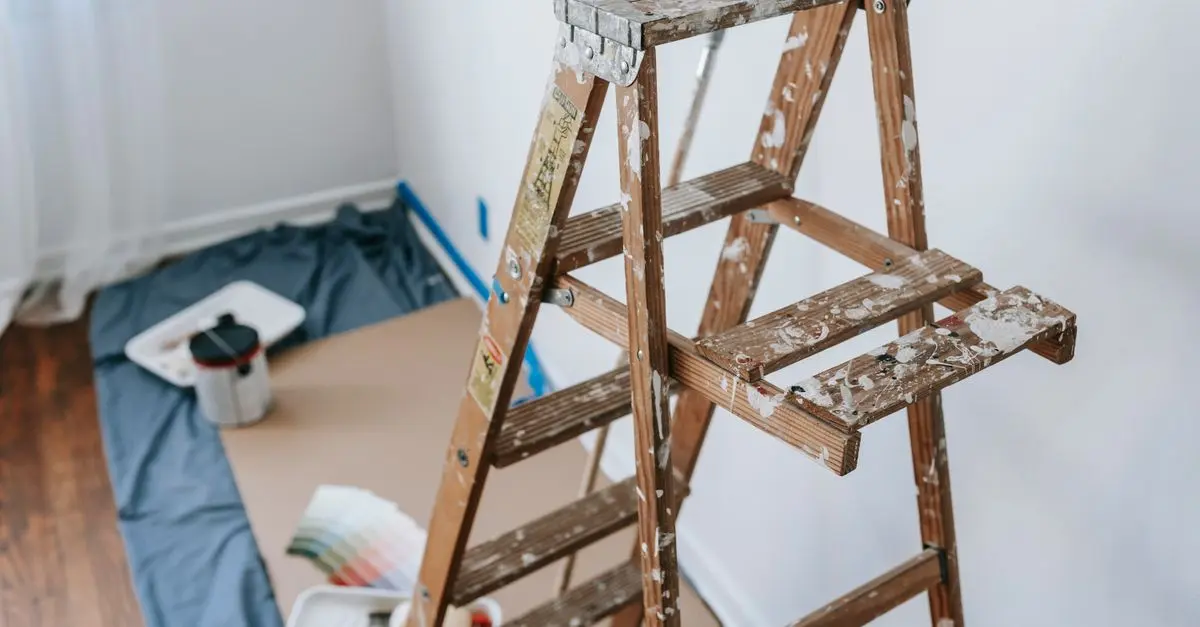
- Prepare the Room: Remove furniture, or cover it with drop cloths. Apply painter's tape along trim and edges.
- Prime the Walls: If changing colors drastically, apply a primer to help the new paint adhere better.
- Start Painting: Use a brush for edges and corners, then a roller for flat surfaces. Apply at least two coats for even color.
- Let it Dry: Allow ample drying time between coats and before removing painter's tape.
5. Replacing a Light Fixture
Light Fixtures Matter
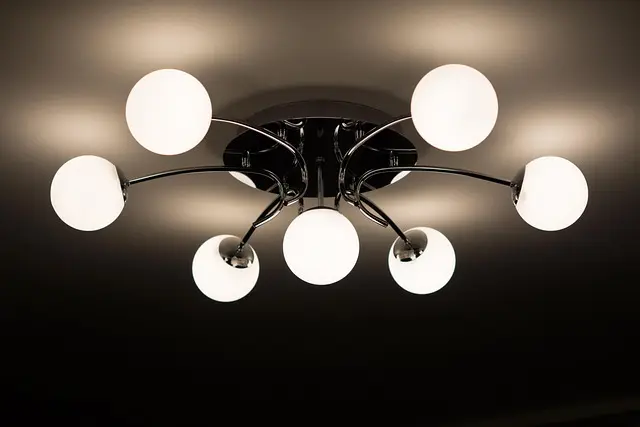
Updating your light fixtures not only enhances your home’s decor but also improves energy efficiency, especially with modern LED options.
Tools and Materials Needed
- Screwdriver
- New light fixture
- Voltage tester
Step-by-Step Guide
- Turn Off Power: Always switch off the circuit breaker before starting any electrical work.
- Remove the Old Fixture: Detach the canopy and disconnect wires from the old fixture.
- Connect New Wires: Match the wires (black to black, white to white, and green to ground).
- Secure the Fixture: Attach the new light fixture according to the manufacturer's instructions and restore power.
- Test the Light: Turn on the power to ensure the new fixture works properly.
> 💡 Safety First: If you're unfamiliar with electrical systems, consider consulting a professional to avoid hazards.
Conclusion
DIY home repairs can seem daunting, but mastering basic skills can save money and unleash your creativity. As you tackle each project, remember to stay patient and enjoy the process.
Checklist before Home Repairs
- [ ] Gather all necessary tools and materials.
- [ ] Ensure a clean workspace.
- [ ] Review instructions carefully.
- [ ] Confirm water and power supplies are turned off where needed.
- [ ] Allow time for materials to set before use.
Glossary
| Term | Definition |
|---|---|
| Spackling Compound | A paste used to fill holes and cracks in walls. |
| Grout | A construction material used to fill spaces between tiles. |
| Voltage Tester | A device used to detect the presence of electrical voltage in outlets or wires. |
📺 Resource Video
> 📺 For further insights: DIY Home Repairs Made Easy, a complete tutorial on managing common household issues. Search on YouTube: "DIY home repair projects 2026".
🧠 Quick Quiz:
> What common DIY task can save you the most on your utility bill?
> - A) Replacing a faucet
> - B) Patching a hole
> - C) Painting a room
> Answer: A — Fixing leaks can save significant water waste.
📺 Pour aller plus loin : DIY home repair projects 2026 sur YouTube
Recommended products
Selected by our experts
Maison Louis Marie No.02 Le Long Fond Perfume Oil
bluemercury.com
This product offers a refreshing scent that can enhance your focus while working on DIY projects.
Women's Golden Sunburst Mother Of Pearl Pendant Necklace Maison De Gala
wolfandbadger.com
This beautifully designed necklace can be a stylish touch for those who enjoy crafting and DIY work.